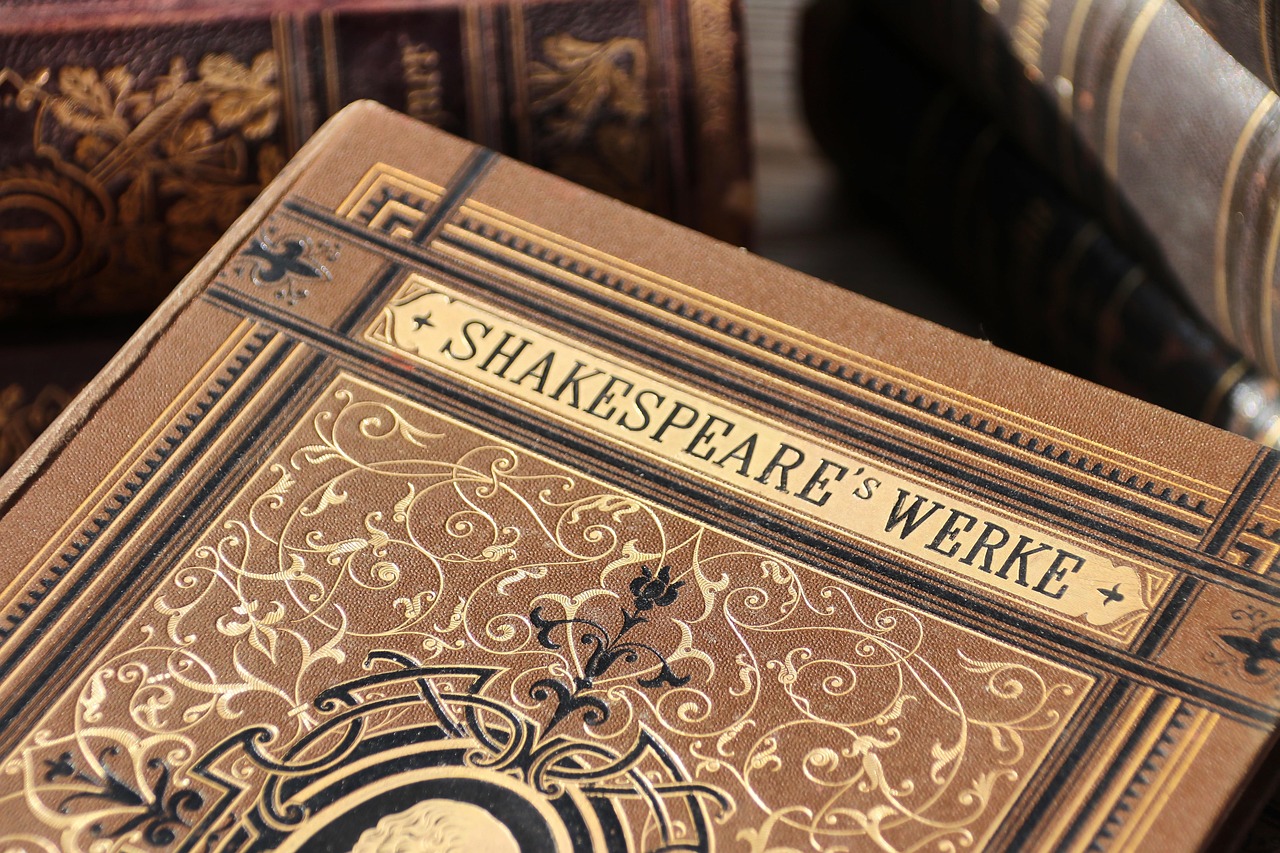
Chances are very few of you reading this have ever heard of Early Music Now (EMN); and just as few probably have an interest in Shakespeare. I’d like to try and change that, if only to expand your world view and introduce you to the free Shakespeare in the Park series. The Optimist Theatre and EMN are partners in a wonderful collaboration (we love that word here at Smallbizmke) bringing us Renaissance music and Shakespeare’s “Taming of the Shrew.” If I can get just one of you to experience the music and the play, I’d be proud of myself.
My husband and I enjoy attending Early Music Now programs. We’ve been mesmerized by the performances and always look forward to each season’s lineup. EMN “believes in the ability of early music to enhance life and bring joy…and is widely regarded as one of the most creative and successful presenters of early music in the United States. Many of the world’s preeminent early music artists and ensembles view an invitation to perform on Early Music Now’s concert season as a significant badge of honor.” (From their About Us page.)
How can I entice you with Shakespeare? Let me try this… many thousands of scholars, actors, and authors (including Mark Twain) have dismissed Shakespeare’s standard bio (i.e., he was born in Stratford-upon-Avon, received an education typical of a young boy in a rural community, made his way to London, and, having never travelled outside England, became the world’s finest playwright). They ask, “How could a young man from such humble beginnings deftly morph himself into a sophisticated literary giant?” Instead, it’s countered, Shakespeare’s intricate knowledge of court etiquette, extensive references to European cities and sites, seamless and voluminous integration of ancient classical training and thought, a linguistic savant’s ability to coin new words—and SO much more—would indicate a worldly, polished, highly-educated soul whose intellect was matched only by his imagination.
Speaking from experience, it’s fascinating to watch one of Shakespeare’s plays and contemplate who the “real” Shakespeare could have been. If you listen to the language and pay attention to all the clues it offers, you, too, can come to your own conclusion. My money’s on Edward de Vere, the 17th Earl of Oxford.
So, the collaborative power of Renaissance music and Shakespeare—available to all of us this summer in Milwaukee—is sure to be a portal into a world where poetry meets harmony, and history comes alive. Please don’t miss your chance to be part of that magic! It takes shape every Saturday and Sunday, at a different Milwaukee park each weekend, July 12 thru August 17.
Here’s more information I gleaned from both the EMN and Optimist Theatre websites:
Early Music Now musicians Tim Sterner Miller on the lute, Brett Lipshutz on the recorder, and Charlie Rasmussen on the viola da gamba will play Renaissance music at 4:10pm. “Taming of the Shrew” begins at 5:00pm. More information about the plays, locations, and how to attend can be found at:https://www.optimisttheatre.
org/shakespeare-in-the-park- 2025.html.
- Saturday, July 12 – Wisconsin Lutheran College
- Sunday, July 13 – Washington Park
- Saturday, July 19 – Humboldt Park
- Sunday, July 20 – Sherman Park
- Saturday, July 26 – Mitchell Park
- Sunday, July 27 – Grant Park
- Saturday, August 2 – Lake Park
- Sunday, August 3 – Forest Home Cemetery & Arboretum
- Saturday, August 9 – Kern Park
- Sunday, August 10 – Lincoln Park
- Sunday, August 17 – Wisconsin Avenue Park
You’ll want this information, too:
Bring a chair or blanket. Seating isn’t provided and you’ll want to make yourself comfy.
Pack a picnic or grab snacks. Light concessions may be available.
All shows are outdoors and free. Come and go as you like.
Great for all ages. Families, date days, friend hangouts, solo adventures, or just bring yourself.
Fun, approachable Shakespeare. The stories are clear, the energy high, and it’s 100% Shakespeare.
(It’s unavoidable. To that last sentence above, I have to add, “…whoever that might be.”)